RECRUITMENT IN AVIATION: HOW WE’RE SUPPORTING THE NEXT GENERATION OF ENGINEERS
Published Tuesday, 8th September 2026Craig Jordan, Production Manager
The aviation sector continues to grow at pace. UK aviation is at its busiest level on record, with 302 million passengers moving through UK airports in 2025, while global passenger volume is expected to hit 5 billion. To cope, Boeing suggests 44,000 new aircraft will be required over the next 20 years.
As we all know, deliveries of these new aircraft continue to be delayed, meaning older variants are staying on fleet longer, and older aircraft need to be looked after – which is where we come in.
Caerdav’s independent status means we’re perfectly positioned to help the industry stay flying, but we are still facing the same challenge as every other maintenance provider: a lack of skilled, current, competent engineers.
Finding and nurturing talent
Addressing the industry’s skills shortage has therefore become an increasingly important priority. Meeting future demand will require a combination of workforce development, broader recruitment strategies and an increased awareness for both young, and those who are not so young, of aviation as a potential long-term, well paid, ultimately fulfilling career choice.
At Caerdav, our employee development is supported through professional licensing programmes and ongoing training opportunities. Those who are successful are typically identified not only by their technical aptitude, but also by attributes such as strong work ethic, practical skills and a willingness to learn.
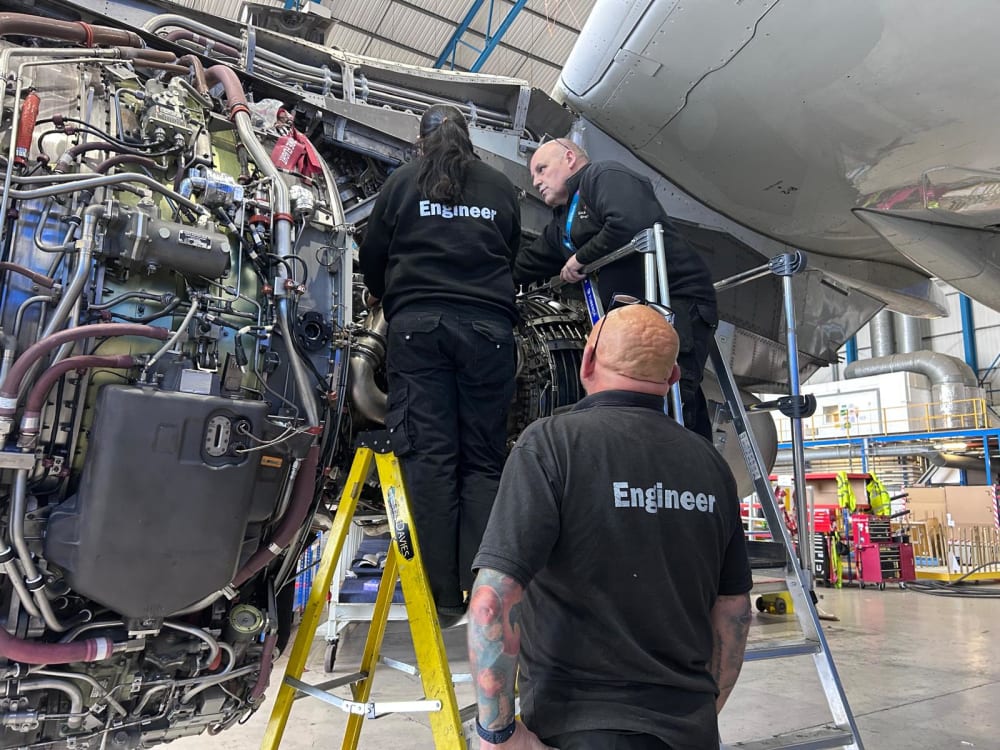
We strongly believe in investing in our existing employees, helping to provide clear career pathways to help build capability from within. The future of our industry depends on investing in people. Technical skills can be taught, but attitude, commitment, and a willingness to learn need to be there already to help individuals build successful long-term careers.
Looking beyond aviation
Broadening recruitment beyond traditional aviation talent pools also presents opportunities. Individuals from other technical industries, such as automotive maintenance, often possess many transferable practical skills required for engineering roles. With appropriate training and support, these candidates can make successful transitions into the aviation sector.
For those entering the industry, a strong foundation in technical principles, reliability and a commitment to continuous learning remain important factors for career development. Engineers who seek opportunities to expand their knowledge, ask questions, and gain hands-on experience are often well-positioned for progression.
Youth and technology
Raising awareness of aviation careers is another key priority. Greater engagement with schools, colleges and those leaving the military can help showcase the wide range of opportunities available across the sector. Increasing visibility of career paths may encourage more young people to consider aviation as a rewarding and financially attractive profession.
This is why we’ve invested so heavily in the development of the Caerdav Apprenticeship Academy, to support the next generation of aviation engineers. And though we’re already seeing results, with graduates picking up the tools in full time roles, this is a process that of course takes time.
Then there’s the advance of technology, which is also expected to play an increasingly important role in shaping future aviation careers. Advances in areas such as artificial intelligence have the potential to support decision-making, improve operational efficiency and help organisations identify workforce and skills requirements more effectively. However, skilled engineers and technicians will continue to be central to maintaining safe and reliable aircraft operations.
As demand for aviation maintenance services grows, organisations like Caerdav will need to focus on developing talent, expanding recruitment channels and encouraging the next generation of engineers to ensure the long-term sustainability of the sector.
We’re ready for that challenge.